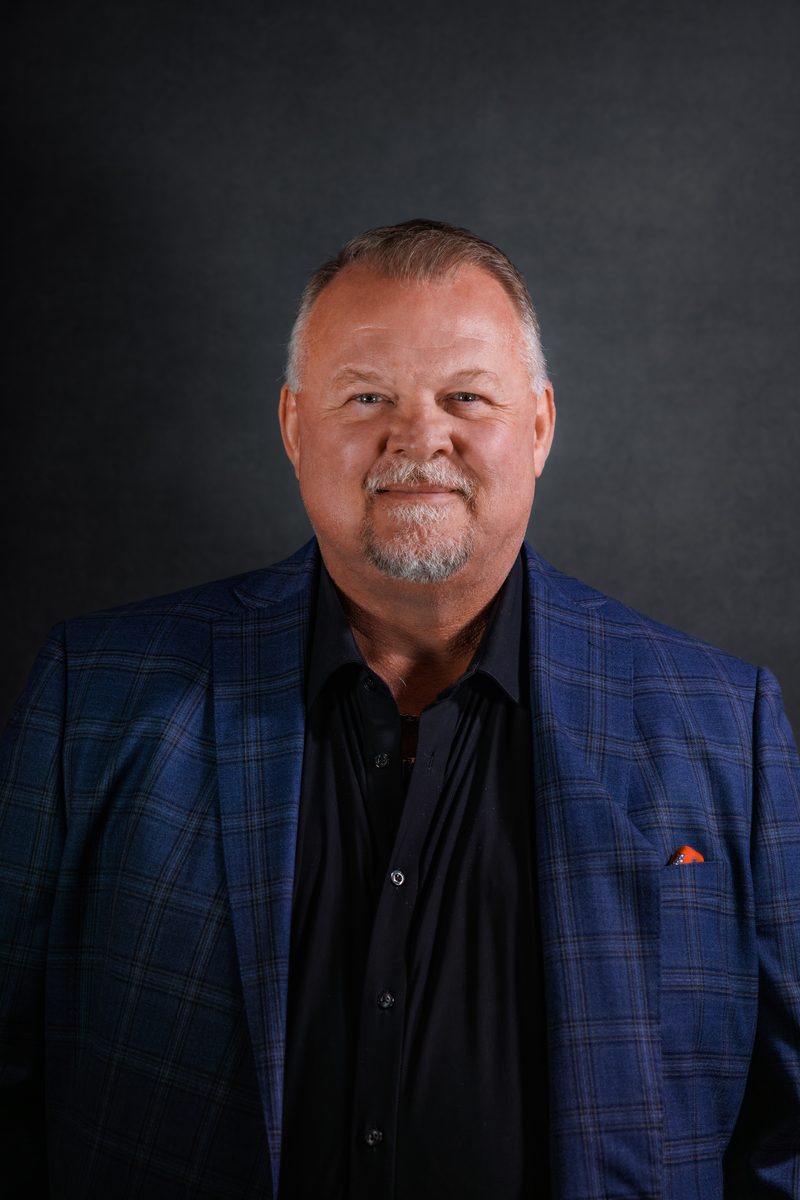
How I Went from $5M to $50M in Revenue Without Outside Capital
When Bartlett Roofing was doing about $5 million a year in revenue, I thought we'd made it. We had a crew, we had consistent work, we had decent margins. I was proud of what we'd built. Then I sat down one afternoon and had an uncomfortable realization: I hadn't built a business. I'd built myself a very demanding, very expensive job.
Everything ran through me. Every major decision, every customer escalation, every hiring call. If I took a week off, things fell apart. That's not a business. That's a trap dressed up as success.
The jump from $5M to $50M wasn't about working harder. I was already working as hard as a person can work. It was about building something that worked without me being the center of it. Here's what that actually looked like.
The Investor Path Wasn't an Option
I'll be straight: I went looking for outside money. Those conversations went nowhere fast. At the time it was frustrating. Looking back, it was the best outcome I could have gotten. Outside capital comes with outside opinions, outside timelines, and outside pressure that pulls you away from the thing you were actually trying to build. We grew Bartlett on the revenue the business generated. That forced a real discipline on spending and efficiency — the kind I don't think we'd have had if someone else's money was in the account.
Bootstrapping isn't romantic. There were stretches where payroll felt tight and growth felt slow. But every dollar of equity in this company is mine. And more importantly, every strategic decision was mine. That matters more than most people realize until they've given it away.
The First Real Move: Hiring Someone Smarter Than Me in Operations
The single biggest unlock in scaling Bartlett from $5M toward $10M was hiring a real operations leader. Not a project manager. Not a glorified coordinator. Someone who had built and run field operations at scale and who could see systems where I saw chaos.
This hire was hard to make because it required admitting that I wasn't the best person to run operations. My strength has always been vision, relationships, and culture. The granular side of daily operations was holding us back because I was trying to own it myself.
Once that person was in place and had the authority to actually build and enforce systems, we stopped spinning. Jobs got completed more efficiently. Customer satisfaction scores climbed. Our rework rate dropped. The business started to run more like a machine and less like a scramble.
The Second Move: Building a Leadership Team, Not Just a Team
There is a massive difference between having employees and having a leadership team. Employees execute. A leadership team thinks, decides, and owns outcomes. Most small businesses never make this transition. They just hire more people who report to the owner, which just makes the owner more of a bottleneck.
Getting from $10M to $25M required me to build a group of people who could run their departments without me being in every conversation. That meant hiring people who were genuinely excellent at things I wasn't, paying them well, and then getting out of their way.
The hardest part of this for me was letting go of control. When you've built something from nothing, every piece of it feels personal. But holding on too tight is exactly what limits growth. The company can only grow as big as the amount of trust you're willing to extend.
The Third Move: Getting Obsessive About Margins
Top-line revenue tells a flattering story. Margins tell the truth. I see service business owners all the time chasing revenue while their margins quietly shrink. You can do $20M and have less real money than a business doing $8M if your cost structure is a mess.
Scaling to $50M required us to be honest about every cost in the business. What were we paying for that wasn't generating a return? Where were we over-staffed? Where were we under-investing? We built financial reviews into the rhythm of the business and made margin targets as important as revenue targets. That discipline is a big part of what made the growth sustainable rather than just big.
What Most Business Owners Get Wrong About Growth
They think the answer is more. More leads, more jobs, more revenue. The answer is usually better. Better systems, better people, better margins. Adding volume to a broken process just breaks it faster and at greater expense.
Before you try to scale, ask yourself honestly whether your operation is actually running well. Not perfectly — nothing runs perfectly. But well enough that adding volume would create profit instead of just more problems. If the answer is no, fix that first. The growth comes after.
The business can only grow as big as the people and systems you've built inside it. That's the ceiling, not the market.
Nobody tells you that when you're grinding to hit your first million. But it's the truth. The ceiling isn't out there — it's whatever you've built, or haven't built, inside your own company.
Hear More About Scaling a Real Business
Every episode of Monster Mindset features operators who've done the work. Real numbers, real decisions, real lessons.
Listen to the Podcast